What is Pediatric Dentistry?

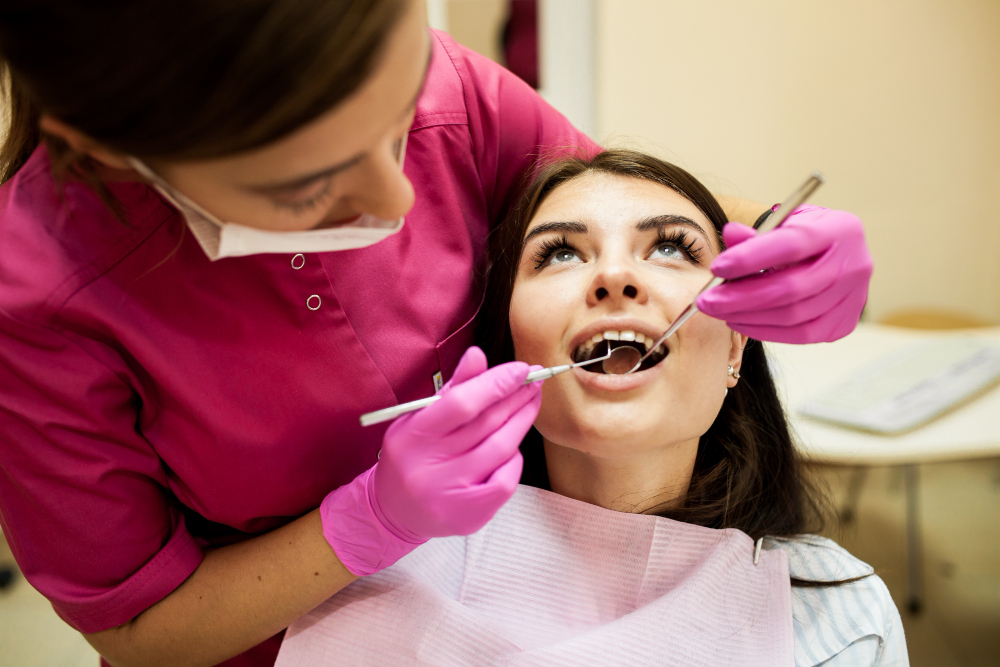
Pediatric dentistry is a dedicated branch of dentistry for children and all their dental needs. Dental care for children is very crucial however, many parents fail to do so in the initial years. Pediatric dentists undergo special training to handle the unique issues of infants, kids, and adolescents.
Pedodontics is mostly focused on preventive treatments along with the removal or inhibition of any parafunctional habit, such as mouth breathing or thumb sucking.
The goal of the Pediatric Dentist Hudson WI is to start early care to lay a healthy foundation for the future.
Duties of a Pediatric Dentist include:
Infant Oral Health Exams:
One of the first steps in the beginning of oral health care is to consistently perform oral examinations and monitor the growth and development. It is recommended to visit the dentist as soon as the first teeth erupt in the oral cavity, which is mostly in 6 months. An infant oral health examination is necessary to break the cycle of early childhood caries if there is any sign. Manage the buildup of bacteria and guide the parents about the importance of good oral hygiene.
Regular checkups also help with early detection of any anomaly and removing it in the initial stages.
Anticipatory Guidance to the Parents:
The parents play a key role in the oral health management of a child. It is necessary to guide the patients about the cleaning methods and tools to be used for dental cleaning. In the initial years, the Dentist Hudson WI recommends all parents to wipe the gum pads of the baby with small gauze to clean the jaws.
For brushing, specially designed finger brushes are available that are soft and gentle on the baby’s gums. Pediatric dentists advise doing this at least twice a day for 2 to 3 minutes to ensure healthy teeth at later ages.
This guidance also includes dietary counseling for the parents. Diet is a crucial part of oral health and developing teeth are much more sensitive to sugary foods.
Preventive Care:
This is the most important aspect that deals with the implementation of preventive measures to avoid cavities or gum diseases. These treatments start at 3 years of age.
Fluoride Application: Fluoride application helps with the prevention of decay and protects young teeth.
Dental Sealants: Dental sealants are applied to the young permanent teeth on the pits and fissures. This helps with cavity prevention and protects the teeth.
Regular Cleanings: Regular dental cleanings ensure that the bacteria do not accumulate in the oral cavity and lead to diseases such as gingivitis. This causes the inflammation of the gum tissue and deterioration of the oral flora.
Fillings and Restorations: Dental fillings and restorations are very important for protecting the tooth structure from further decay. The caries spread much faster in the young teeth and rapidly destroy the tooth beyond saving. To avoid such dire consequences, pediatric dentists restore the decayed part with dental fillings and prohibit further damage.
Management of Oral Habits:
Children develop some oral habits over time, which directly affects the growth pattern of the jaw, which leads to misaligned teeth in the future such as mouth breathing, teeth grinding, etc. Breaking the habit is vital and requires to be managed in time. Pediatric dentists employ various management techniques to stop these habits. In severe cases, the dentists customize the appliances, which helps with the cessation of the habit.
Early Orthodontic Assessment:
Premature loss of the deciduous teeth is the most common cause of misalignment in adolescence. However, in some cases, the extraction of hopeless or infected teeth is inevitable. To prevent the drifting of teeth, dentists provide space maintainers that keep the space for the successor tooth.
Management of Anxiety:
Early exposure to dental offices helps in building a positive rapport. Kids are more compliant with the treatments and have no dental anxiety if they frequently visit dental offices.
Pediatric dentists are trained in behavior management techniques and sedation techniques where the anxiety is non-manageable.
Conclusion:
Pediatric dentists are specially trained dentists who care for your child. They are better at managing a child’s dental issues, which not only eliminates the chances of dental phobia development but also guides you through the journey of your child’s growth.
At Spring Creek Dental, the dental team is highly skilled and experienced in managing children and their dental needs. Book an appointment with us to get personalized guidance from our experts.
Comments
Join the discussionNo comments yet. Be the first to comment.